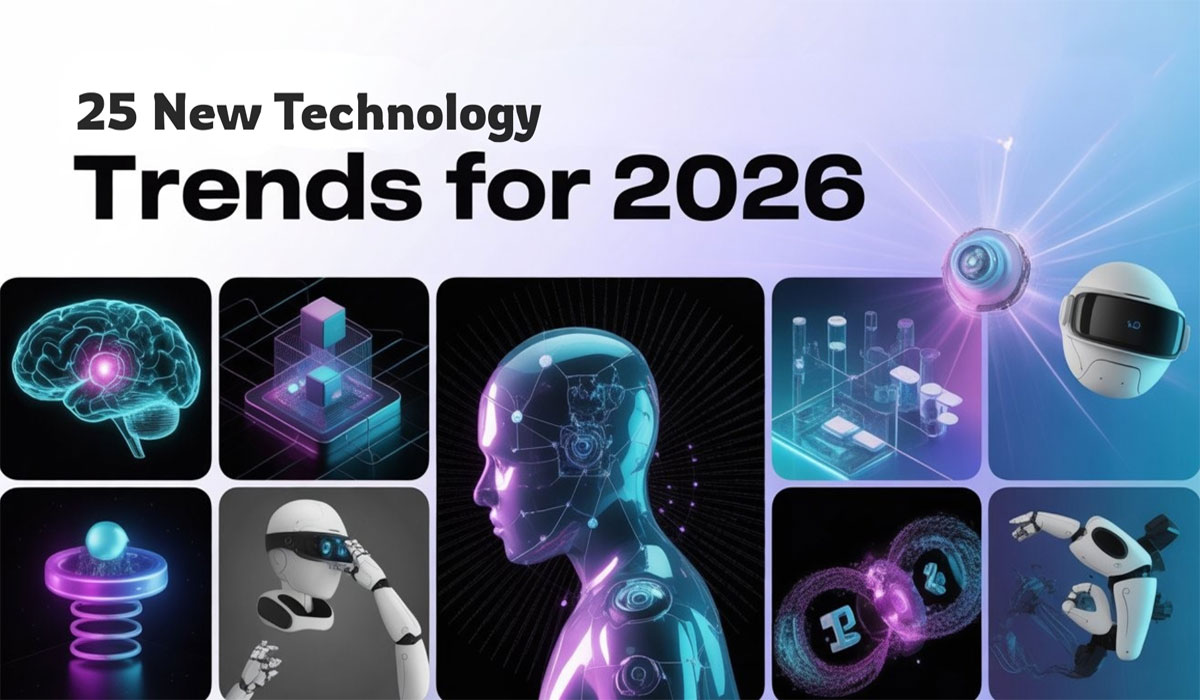
Innovation At Work: How Technology Shapes Our Future
Technology has transformed the way we live, communicate, and work, innovations are not just tools they are reshape industries and open new opportunities.
Below we The Modern Media Sphere will explore how technology is shaping our future, from the workplace to society at large, and highlight the ways innovation drives progress, efficiency, and creative problem-solving.
The Evolution Of The Modern Workplace
The workplace has changed dramatically due to technological advances. Remote work, cloud computing, and collaborative software have made it possible for teams to connect and contribute from anywhere in the world.
Automation tools and AI-driven platforms are streamlining repetitive tasks, allowing employees to focus on higher-level problem solving and creativity. This shift is redefining job roles and enabling more strategic work.
As technology continues to evolve, companies must adapt to new workflows, embrace digital tools, and foster a culture of continuous learning to remain competitive. Flexible, technology-driven workplaces are becoming the standard rather than the exception.
Artificial Intelligence And Machine Learning
Artificial intelligence (AI) and machine learning are at the forefront of workplace innovation. AI systems analyze large datasets to uncover trends, make predictions, and optimize operations faster than humans could manually.
In sectors like healthcare, finance, and logistics, AI improves decision-making, reduces errors, and enhances efficiency. For example, predictive analytics can anticipate market trends or identify operational inefficiencies before they become problems.
Integrating AI does not replace human intelligence but augments it. Employees can focus on complex tasks, creativity, and strategic planning, while machines handle repetitive and data-heavy functions. This partnership between humans and technology shapes the future of work.
Automation And Productivity
Automation technologies, including robotic process automation (RPA) and smart software systems, are changing how work gets done. Routine tasks like data entry, payroll, and scheduling can now be performed more accurately and quickly by automated systems.
This increased efficiency allows businesses to allocate resources toward innovation, product development, and customer engagement. Automation also minimizes errors and reduces operational costs, improving overall productivity.
While automation may shift job responsibilities, it also creates new opportunities for employees to upskill and take on higher-value roles. Organizations that embrace automation while fostering workforce development gain a competitive edge in the market.
Connectivity And Collaboration Tools
Digital tools and platforms have transformed communication and collaboration. Video conferencing, instant messaging, and cloud-based project management systems enable seamless teamwork across geographies and time zones.
These technologies break down barriers, increase transparency, and promote real-time decision-making. Teams can collaborate efficiently, share resources, and respond to challenges more quickly than ever before.
The future of work relies on these connectivity tools to support hybrid models, cross-functional teams, and global collaboration. By leveraging technology for communication, companies can enhance both productivity and employee engagement.
Preparing For The Future Of Innovation
Staying competitive requires organizations and individuals to embrace lifelong learning. New technologies, software platforms, and digital solutions emerge constantly, and adapting quickly is essential.
Investing in training programs, skill development, and knowledge-sharing initiatives ensures that teams are equipped to leverage innovation effectively. Companies that anticipate future trends can implement technology proactively rather than reactively.
Ultimately, innovation is a continuous process. This article emphasizes that by embracing technology, preparing the workforce, and fostering a culture of experimentation, we can shape a future where work is more productive, creative, and fulfilling.
Conclusion
Technology is reshaping our world at an unprecedented pace. From AI and automation to collaborative tools and remote work, innovations are redefining how we approach tasks, solve problems, and interact with one another.
Adapting to these changes requires openness, continuous learning, and strategic implementation of technology. Employees and organizations that embrace innovation can improve efficiency, spark creativity, and position themselves for long-term success.
Image Source:
First Image from bakelore.co.uk
Second Image from www.smartflow.ie