Apocalypse In Iran? Tehran’s Oil Rain Sparks Fear And Outrage!
Tehran experiences shocking black rain after fuel depot attack, residents fear contamination as oil fallout spreads across the city.
Tehran’s skies turned eerie as black rain fell following a fuel depot strike. Citizens report oil-streaked streets, stay tuned The Modern Media Sphere sparking panic and environmental concern.
Authorities warn of hazardous residues, urging caution. Experts highlight potential health risks, while videos of the phenomenon spread rapidly online, fueling speculation and fear.
Violent Strikes On Tehran’s Oil Infrastructure
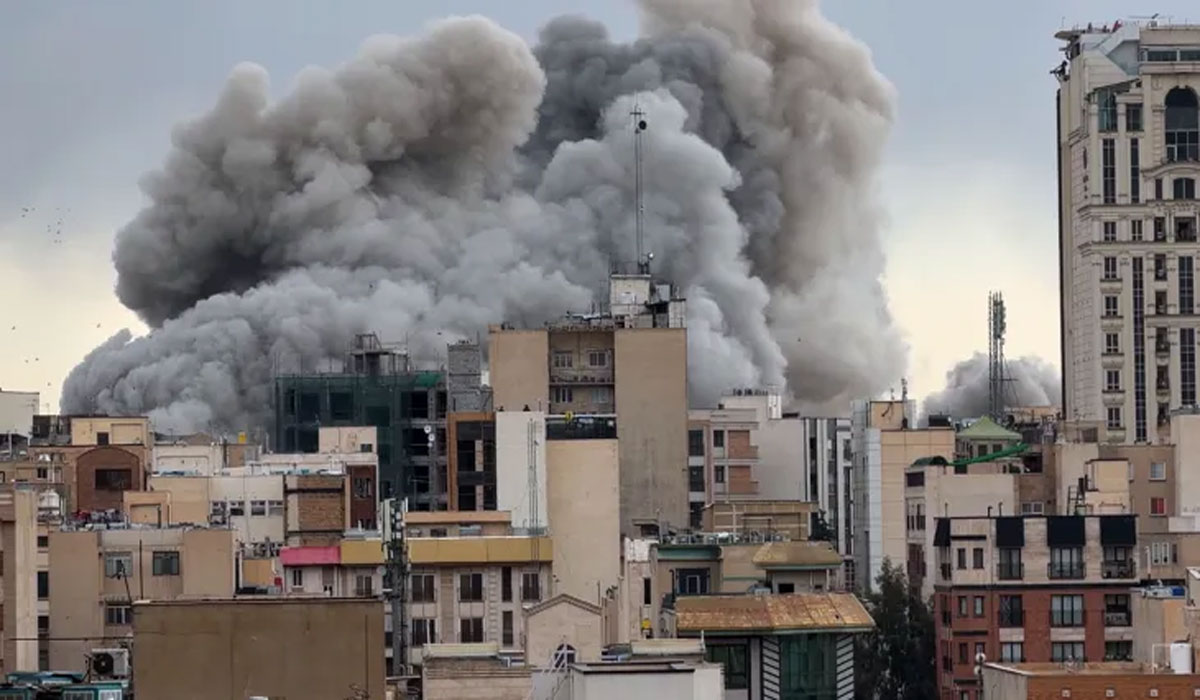
On March 7–8, 2026, a series of airstrikes by United States and Israeli forces hit multiple oil storage facilities and depots in and near Tehran, Iran’s capital. These attacks targeted five major oil sites, including storage depots and a petroleum logistics center, and were part of the ongoing conflict in the Middle East that has escalated sharply this week.
According to Iranian state officials, explosions resulted in at least four deaths, including two tanker drivers among the oil sector workers. While the blazes were eventually brought under control, the damage to critical energy infrastructure was significant enough to disrupt fuel distribution within the city.
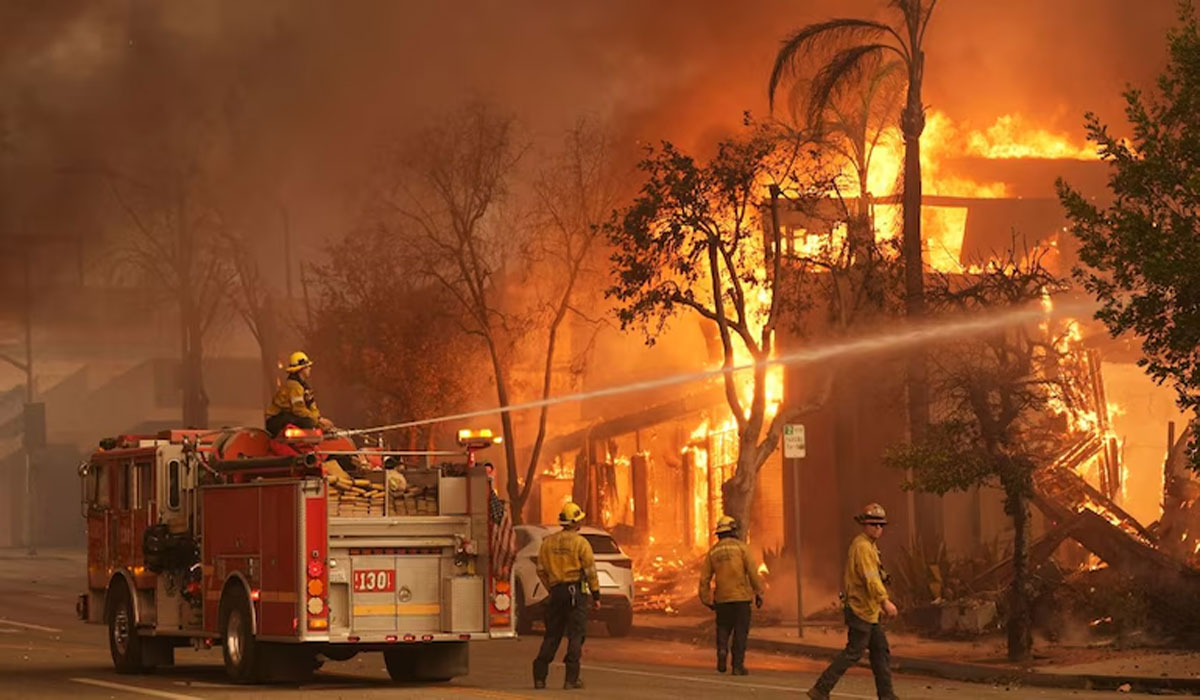
The fallout from these strikes extended beyond casualties and infrastructure damage. The intense fires produced enormous columns of black smoke, blanketing Tehran and creating highly polluted air conditions that have deeply affected local residents.
Unusual Atmospheric Phenomenon: Blackened Rain
In the hours after the strikes, Tehran residents reported seeing blackened rainwater, stained by oil and soot from the burning depots. Eyewitnesses described rainfall that appeared visibly darker than normal, with heavy deposits on streets, vehicles, and rooftops.
CNN and other news teams on the ground noted that rain mixed with oily particles left black streaks on surfaces, prompting widespread concern about contamination. One reporter highlighted that the rainwater looked saturated with oil, a rare phenomenon that added to the city’s apocalyptic atmosphere.
Experts say such black rain occurs when significant amounts of hydrocarbon soot and other pollutants rise into the atmosphere, mix with water vapor and fall as precipitation. This is exacerbated when thick smoke from burning oil fires merges with clouds overhead.
Also Read: Breaking!! Iran President Says Sorry, Hidden Motives Or Secret Surrender?
Public Health Warnings And Government Alerts
Iran’s Red Crescent Society quickly warned residents to take precautions amid concerns over toxic air and polluted rain. Authorities cautioned people, especially vulnerable groups, to stay indoors and avoid contact with contaminated rainfall.
Officials also urged citizens not to turn on air conditioners immediately after rain, as open units could draw contaminated air inside homes. Advice included cleaning exposed food and gargling salt water to alleviate irritation from inhaled soot particles.
In addition, local authorities recommended wearing masks when outside and avoiding unnecessary outdoor activity, as toxic components like sulfur and nitrogen oxides mixed with soot can cause respiratory problems and other health risks.
Broader Effects On Daily Life In Tehran
The black rain and thick smoke dramatically altered daily routines across the city. Some residents reported waking up to eerie darkness during the morning hours, with sunlight obscured by smoke from the fires.
Fuel distribution in Tehran was temporarily halted after the attack due to damage to the supply network, prompting local authorities to reduce quotas and reassure the public that issues would be resolved soon. Many petrol stations saw long queues as a result of the disruptions.
Despite warnings, many residents continued with daily activities, while others chose to remain indoors due to health concerns. The combination of unusual rainfall, polluted air, and energy supply problems has contributed to heightened anxiety across communities.
Regional Conflict And Environmental Concerns
The attacks on Tehran’s oil infrastructure mark a significant escalation in a conflict that has already involved multiple strikes and counterattacks across the Middle East. In addition to Iran, neighboring states including Bahrain and the UAE have reported damage to critical infrastructure from drone and missile attacks.
Environmental authorities have highlighted that the combination of burning fuel, toxic smoke, and contaminated rain poses longer-term threats beyond immediate health risks. Pollutants could affect soil, water supplies, and even drinking water reservoirs if contamination persists.
With the conflict showing no sign of abating, concerns about both human and environmental impacts are rising. Observers around the world are watching how these developments might influence regional stability, global oil markets, and humanitarian conditions.
Image Source:
- First Image from news.detik.com
- Second Image from internasional.kompas.com