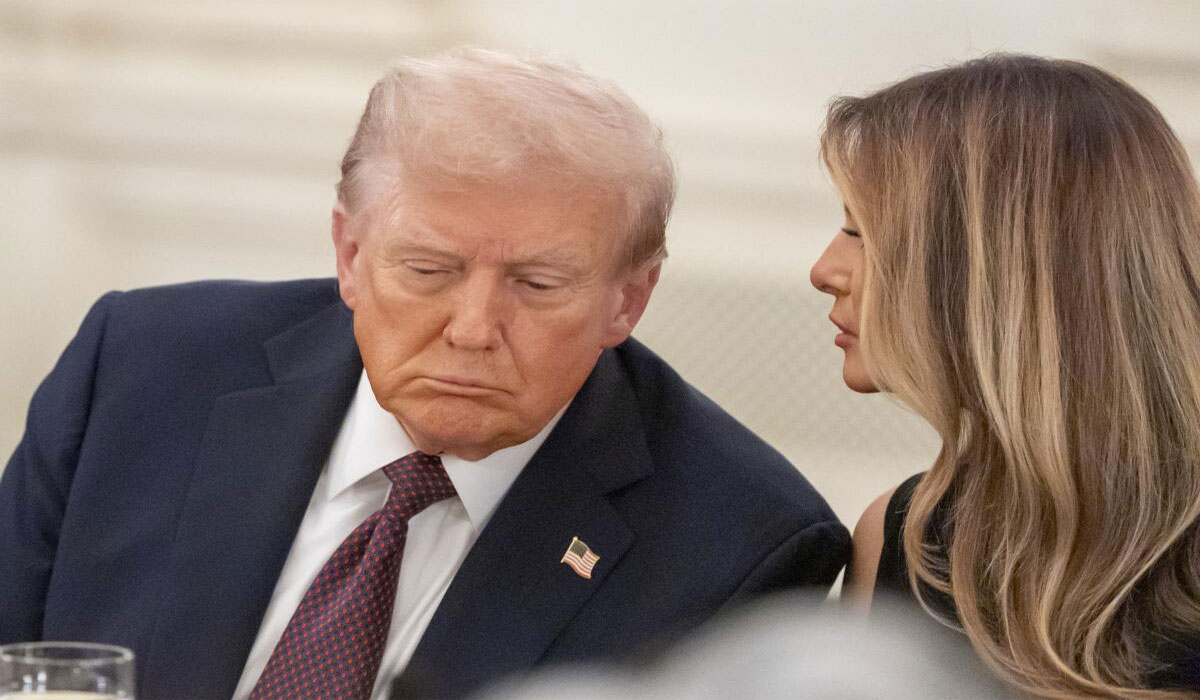
Trump Gets Pressure From Saudi Prince To Extend Iran Conflict, Read This!
Saudi Crown Prince pushes Trump to extend conflict with Iran, calling it a “historic opportunity” to reshape the Middle East.
A stunning development in global politics Saudi Arabia’s Crown Prince Mohammed bin Salman has reportedly urged US President Donald Trump to keep the military confrontation with Iran going.
The move comes as tensions in the Middle East intensify, with Riyadh seeing a rare strategic opportunity to reshape regional power balances. But what does this pressure mean for international diplomacy, the US, and the future of the conflict? Let’s break it down stay tuned The Modern Media Sphere.
Rising Tensions: Saudi Involvement In The Iran Conflict
Recent reports indicate that Saudi Arabia’s Crown Prince Mohammed bin Salman (MBS) has been urging U.S. President Donald Trump to maintain and intensify the military conflict with Iran. This development has sparked international debate about the war’s strategic direction and regional influence.
According to sources briefed on conversations between the leaders, MBS views the conflict as a “historic opportunity” to reshape Middle East power dynamics, particularly in weakening Iranian influence across the Gulf region.
The push from Riyadh comes amid ongoing hostilities that have already extended into weeks of fighting, drawing in geopolitical actors and raising concerns over regional escalation and broader Middle Eastern security.
Behind the Scenes: Private Phone Calls And Strategic Pressure
Insiders report that MBS has made multiple private phone calls to Trump within recent weeks, urging continued pressure on Iran’s military and political structures. These discussions were not initially publicized, but sources have since revealed key details.
In these calls, MBS is said to stress the perceived long‑term threat posed by Tehran and the need for decisive action to prevent future destabilization an argument that aligns with Saudi security priorities.
While Saudi officials have publicly denied intentions to push for prolonged war, anonymous briefings and news analyses suggest Riyadh is leveraging its geopolitical relationship with Washington to influence U.S. military strategy.
Also Read: Level Up Your Wealth! Business & Finance Hacks That Actually Work
Strategic Aims: Why Saudi Arabia Wants Continued Conflict
Mohammed bin Salman’s purported advocacy reflects broader Saudi concerns about Iranian influence. As a regional rival, Iran’s ideological and military reach into countries like Iraq, Syria, and Yemen is viewed by Riyadh as a direct security risk.
By encouraging U.S. leadership to remain engaged, MBS and allies believe they can weaken Iran’s ability to project power, thereby limiting threats to Gulf states and helping to secure Saudi strategic interests.
This perspective emphasizes military pressure over diplomatic resolution, framing continued engagement as a way to prevent a more powerful or emboldened Iran from upsetting regional stability.
U.S. Response And Trump’s Position
The Trump administration’s public rhetoric has sometimes echoed Saudi concerns, with Trump previously characterizing Iran as a serious threat. And warning of stronger responses if Iran does not change its behavior.
However, U.S. political and military leaders remain divided on how best to proceed, balancing pressure with diplomacy. And weighing the risks of a prolonged conflict on American troops and global stability.
Publicly, Washington has emphasized deterrence and defense cooperation with Gulf allies. But behind the scenes discussions like those with MBS show the complexity of decision‑making during wartime.
Regional Reactions And Broader Implications
The Saudi push to sustain the conflict has drawn mixed reactions across the Middle East and the world. Some Gulf states condemn Iranian attacks and support defensive measures, while others call for de‑escalation and negotiations.
Iran, on the other hand, has rejected foreign military pressure and demanded respect for its sovereignty. Leading to sharp criticism from Tehran’s leadership and calls for stronger resistance.
Analysts warn that prolonging the conflict could deepen humanitarian costs, destabilize energy markets, and strain U.S. alliances. Highlighting the delicate balance between military goals and diplomatic efforts in resolving one of the most dangerous regional confrontations in years.
Image Source:
- First Image from international.sindonews.com
- Second Image from thecairoreview.com