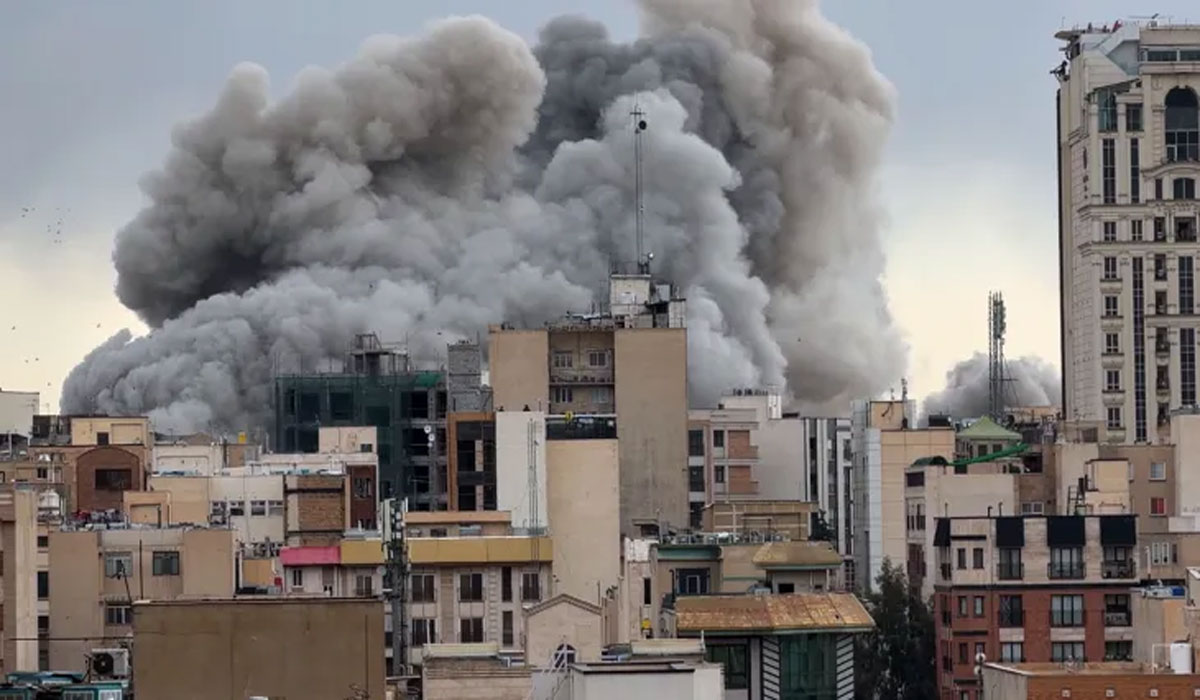
Are U.S. Forces In Danger? Russia’s Hidden Role With Iranian Drones
Reports claim Russia may be assisting Iran with drones and satellites, raising concerns about U.S. forces’ safety and regional security.
Tensions are rising as reports emerge suggesting Russia may be secretly assisting Iran with drone and satellite technology. This alleged collaboration has sparked alarm among U.S. officials and global observers, raising questions about the safety of American forces in the region.
While Moscow denies involvement, speculation continues about how advanced military support could shift the balance of power. In this The Modern Media Sphere, we explore the claims, potential implications, and why analysts are closely monitoring this controversial development that has already captured international attention.
Russia‑Iran Military Cooperation Sparks Global Attention
Recent reports suggest that Russia has expanded military cooperation with Iran, providing advanced drone technology and intelligence sharing that could aid Tehran in targeting U.S. forces across the Middle East. According to a Wall Street Journal report, Moscow has supplied satellite imagery and enhanced drone systems to Iran, deepening defense ties between the two nations.
This cooperation appears part of a broader strategic alignment, where Russia and Iran share military expertise and technology developed from their own conflicts. While not officially allies, the partnership has grown increasingly close since Russia’s full‑scale invasion of Ukraine in 2022.
Given tensions between Tehran, Moscow, and Washington, such collaboration raises concern among international observers. Analysts warn that this cooperation could shift regional dynamics and indirectly impact U.S. assets and interests abroad.
Allegations Of Satellite And Drone Intelligence Support
The Wall Street Journal report claims Russia has shared satellite intelligence with Iran to help pinpoint strategic targets. Satellite imagery can offer detailed insight into the placement of military bases and installations, potentially enhancing Iran’s operational capabilities.
Alongside imagery, Russia reportedly provided tactical guidance on drone deployment, drawing from its extensive experience using UAVs in the Ukraine conflict. These drones can be used for reconnaissance, damage assessment, or targeting in active theaters.
Russia’s contributions resemble the type of intelligence alliances the U.S. and its partners extend to each other. However, Moscow has denied these claims, dismissing them as “fake news” and stating the report lacks credibility.
Also Read: Shocking Digital Trends! Innovations That Will Change the Way You Live
Russia’s Strategic Interest In The Middle East
Analysts suggest Russia’s support for Iran aligns with broader geopolitical goals. As the U.S. and Israel engage in military actions in the region, Moscow may see an opportunity to weaken U.S. influence and assert its own strategic interests.
Partnership benefits both sides: Iran gains technical know‑how and intelligence, while Russia leverages Tehran’s regional influence to counter Western presence. This dynamic also plays out economically, as conflicts disrupt oil transit routes like the Strait of Hormuz, indirectly benefiting Russian energy exports.
Despite this strategic overlap, Russia publicly maintains that it is not directly aiding Iran’s military strikes. Officials have repeatedly categorised reports of intelligence or drone transfers as misinformation.
Shahed Drones: A Symbol Of Evolving Cooperation
A key element of the Russia‑Iran association involves the Shahed series of drones, originally developed by Iran. These drones are loitering munitions sometimes referred to as “kamikaze” drones capable of autonomous targeting and one‑way attack missions.
Russia has adopted Iranian drone designs, producing them locally under names like Geran‑2 and Geran‑5. These drones have been used in multiple conflict zones, including Ukraine and the Middle East, demonstrating their widespread operational role.
Some analysts argue that technology exchange has been mutual: Iran provided the original designs, while Russia contributed enhancements such as improved guidance systems and satellite navigation resilience. The result is a hybrid drone platform used by both nations.
Implications For U.S. Forces And Global Security
Claims about Russia’s assistance to Iran have raised alarms in Washington and allied capitals. If satellite imagery and drone tactics are indeed being shared, this could sharpen Iran’s ability to target U.S. military assets and diplomatic facilities.
However, U.S. officials caution against assuming the reports are fully verified. The Kremlin’s denial underscores the difficulty in distinguishing confirmed intelligence from geopolitical narrative. Nonetheless, the perception of cooperation has already seeded debate in diplomatic and defense circles.
What remains clear is that the Middle East’s shifting alliances and evolving war technologies are complicating traditional power dynamics. Whether real or exaggerated, allegations of Russia’s hidden role in bolstering Iran’s drone capabilities highlight the broader challenges facing U.S. forces and international security frameworks.
Image Source:
- First Image from kompas.com
- Second Image from cnbcindonesia.com